

 By Victoria Plum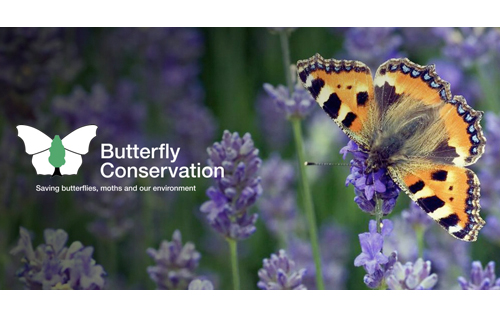
By Victoria Plum
The county recorder for butterflies, Andy Brazil, gave the talk at the Reepham & District Gardening Club meeting this month.
Butterfly Conservation has now been going for 50 years; you can join and give real help to preserve butterflies.
Research is done, of course, but interestingly quite low-tech “citizen surveys” by members provide valuable ongoing information, and have done so for a number of years.
We know that butterfly numbers have dropped by 52% since 1975, and that habitat loss and fragmentation, pollution, pesticides, land management changes and climate change are to blame.
As gardeners we can seek to provide sheltered, and not too tidy, insect-friendly gardens and the “simple” flowers that provide nectar for them.
To tidy or not, and how much to do, is my yearly dilemma. I am not a tidy gardener instinctively, but I have learned that the environment I want to create needs a bit of judicial organisation – otherwise the wrong things swamp the right things. So I try to use a guiding hand to govern my garden rather than an iron fist.
The fashion for leaving seed -heads and tall stems for winter interest, rather than having a huge tidy up in the autumn to “put the garden to bed” for the winter is advantageous, of course, as those stalks and seed-heads provide shelter for overwintering caterpillars and insects.
If you use the old stalks to bundle up and position at different heights about the garden you don’t need to provide expensive fabricated posh “insect hotels” (imported from China with attendant environmental damage owing to unthinking manufacture and sea pollution, not that I am on my hobby-horse here).
Pollution from vehicles has the knock-on effect of producing nitrates that over-fertilise grass swards, pushing out wildflowers, which are crucial to many butterflies.
So please stop using your car (but actually I really need mine so I will continue driving).
Meanwhile, I have signed the 38 Degrees Save the Bees online petition, which has succeeded in banning neonicotinoids for use in agriculture.
But I have some pesticides in the shed from my local outdoor superstore containing all those “banned-for-agriculture” chemicals, so I will continue to use them to improve my plants and lawn.
And did you know that the Red Admiral butterfly used to be known as the Red Admirable, and it was only during Nelson’s fame that over a period of 10 years the name gradually morphed to what we now know?
 Geoff Fisher