

 By Victoria Plum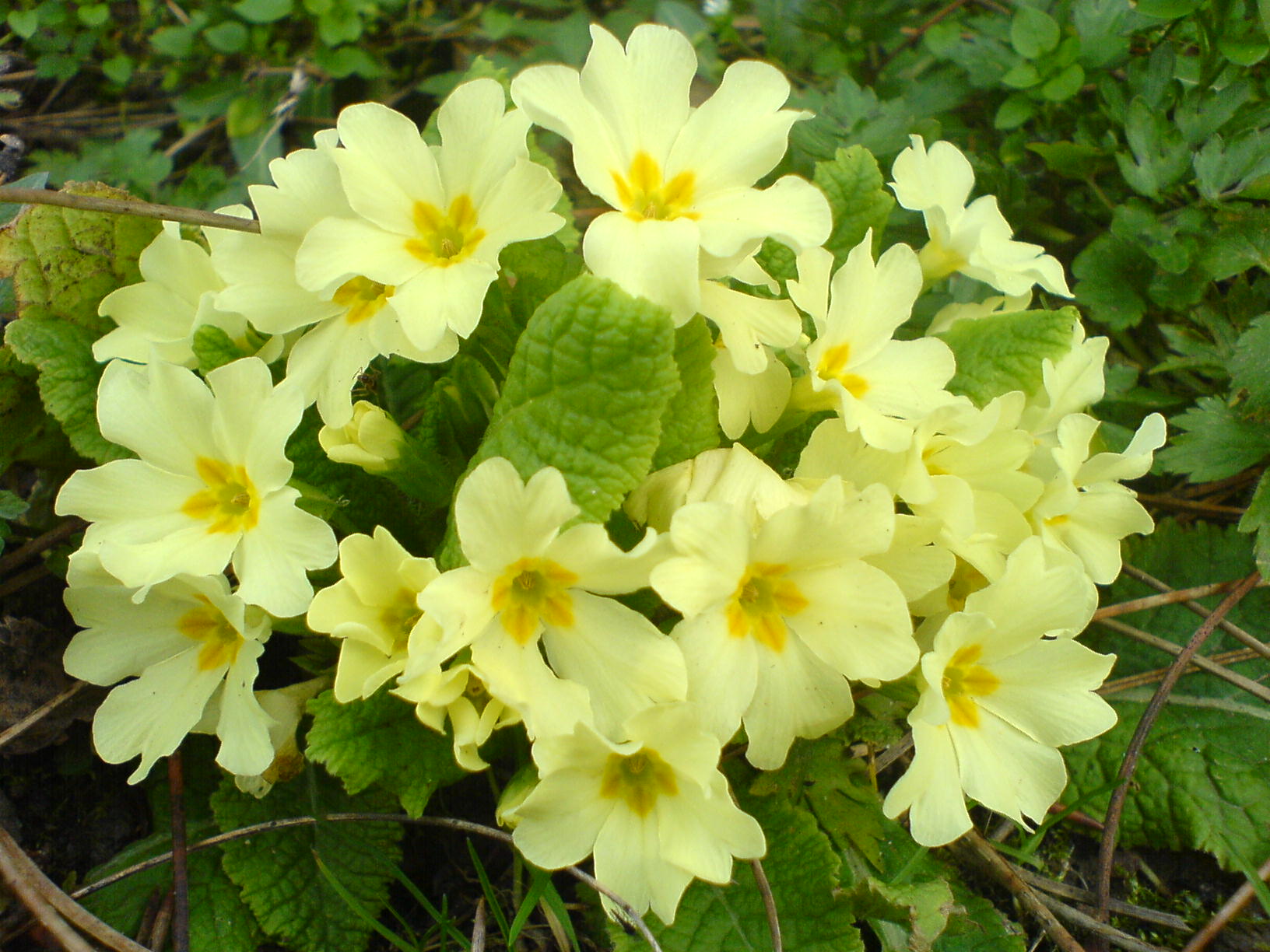
By Victoria Plum
I expect you know that all gardening prior to the 17th century was practical, for food production or medicinal use.
It was only when shipping and trade boomed in Britain that unusual plants started to be imported, to be acquired by plant collectors and used in floral displays by “florists”.
The term for a florist is specifically for their skill with flowers and was first coined in 1623.
Even though garden use was primarily practical, I can’t believe that people did not go and collect “spinkies” (wild primroses which might have grown in Spinks Lane, Heydon) or wild daffodils (from Daffy Green near Shipdham) for their own gardens.
Before cattle were fed mainly on corn, farmers were hugely dependent on the hay crop for them, so beasts were removed from certain meadows to allow grass to grow for hay, thereby encouraging the wildflowers we now sorely miss.
And did you know that Humphry Repton spent his last seven years in a Bath chair as a result of a carriage accident, and the inconvenience of this made him realise how important wide paths and accessible vistas in a garden were for the disabled?
We enjoyed the Reepham & District Gardening Club Christmas social event this month, but the quiz was difficult. Sadly, it did not require the random information given above; our team did not win. Someone put in all the wrong questions!
Join us next month for a talk on History Beneath Your Feet on Tuesday 15 January at 7.45 pm in the Town Hall, Church Street, Reepham.
Photo: Primula vulgaris, common primrose, CC BY-SA 3.0
 Geoff Fisher