

 By Victoria Plum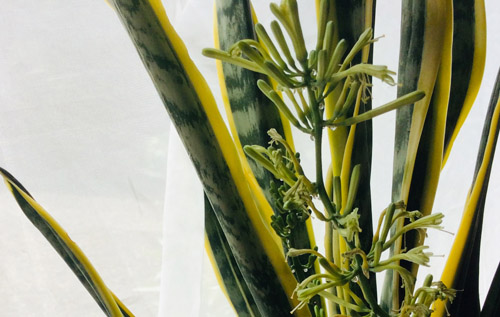
By Victoria Plum
This month it was hedgehogs, an interesting talk for the Reepham & District Gardening Club from an engaging speaker, Jan Smith from Ryston Rachel’s Hedgehop Hotel, who reiterated what we all know.
As we go about our daily lives, “using up” what the planet provides for us, tidying and neatening, we are destroying biodiversity.
The fact that hedgehog numbers have declined from 30 million in the 1950s to 879,000 in 2020 (they are now on the red list of endangered species) says it all.
We need to create hedgehog highways to allow them to forage two kilometres a night on average through our gardens and the surrounding area.
Sadly, they cannot scale the six-foot fences we have around our houses to preserve our privacy, and they cannot burrow through concrete gravel boards in the fences either; they need gaps.
I’m guessing the old privet hedges we all used to have would have been much more hedgehog-friendly, enabling them to wander through and catch the beetles, caterpillars and invertebrates they favour.
“No Mow May” is of course good for them because it encourages invertebrates that provide a good hedgehog dinner.
But sadly, we forget to check for snoozing hedgehogs in the long grass when we strim in June as we “tidy up”: strimmer accidents are many and gory and rarely survived by the poor little creatures.
I am always delighted when my plants surprise me. I have a Sansevieria (Mother-in-Law’s Tongue or Snake Plant) – it’s the variegated form and a handsome houseplant.
Traditionally, it goes on forever with no care, even in the dark of a Victorian parlour. It is a survivor. It also purifies the air for us to help with our health and well-being.
Mysterious spikes grew up, six in fact, and then opened to show a row of pretty, starry flowers with sweet honeydew on them, and a distinct and delightful lily-like fragrance surprised me further as I sat watching TV in the evening.
My research shows that this rare, flowering event is an indicator of root crowding and of exposure to good light, which mine certainly has.
Flowers have been rare on Sansevieria because their ability to survive in poor light has meant that traditionally we kept them in poor light, which deterred them from flowering.
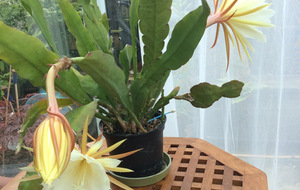
Another surprise is my Queen of the Night cactus, which has the most unpromising, tatty, strap-like leaves. However, this year I know why it’s worth putting up with the boring, ugly leaves.
The plant is astonishing: long, fat buds develop and quickly open up to show a lemon-yellow, starry, elegant and highly scented flower.
Join us next month on Tuesday 18 July at Reepham Town Hall, Church Street, to hear Paul Laurie from Bird Ventures in Holt tell us about “Birds of a Norfolk Garden”.
Please remember the earlier start time of 7.30 pm, which allows a little more social interaction after the talk, which we all missed so much during the pandemic.
Top: Flowers on Sansevieria. Below: Queen of the Night cactus. Photos: Tina Sutton
 Geoff Fisher