

 By Victoria Plum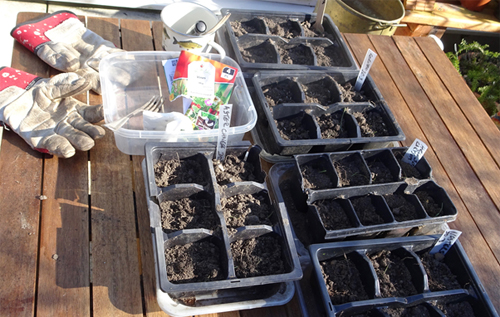
By Victoria Plum
It rained every day through the winter and now it hasn’t rained for two weeks. My seeds and transplants need water; in fact, everything in the garden is very dry.
To help new plants settle in I usually arrange a little moat and bank around them to ensure water goes where most needed because water is so precious.
I hate to waste it, and once plants are established I don’t expect to water them. They need to be resilient and look after themselves; they don’t get pampering in this garden!
And this brings into question something I have been thinking about lately, which is our continued quest for the exotic and new in our gardens.
A number of pests and diseases have come here as a result of globalisation and our desire for the unusual.
These incomers often require expensive composts, fertilisers, heat and conditions that use up our precious environmental resources. (Do you remember that this is what we were concerned about before the latest troubles?)
During the winter I move away the saucers and put wine corks under my outdoor pots so that they don’t stand damp and rot.
This April I have changed the corks for big saucers again so that when pots are watered, by me or preferably the rain, water will sit and be sucked up to do the most good and will not go to waste.
I have noticed that when a plant in a pot gets very dry and is watered, the water just runs straight through and away, lost and wasted, so these saucers are crucial.
Seedlings are all in pots in trays to save water. I use recycled plastic supermarket trays, which, being rectangular, work well with square pots.
Labels (also crucial as I used to think I would remember what was what, but of course I don’t) are made from strips of white plastic cut from milk bottles or other plastic containers.
I know plant labels are cheap to buy, but they come in on ships from China, can that be right?
And as for the lily beetle, I despaired of growing lilies any more, but my strategy now is to grow them by a path, making it easy for me to check every sunny day (no point checking on a dull or rainy day as they are fair-weather creatures) and therefore control the damage they do.
I know I cannot get rid of them completely. I have dispatched 16 this week. My finger nails are red!
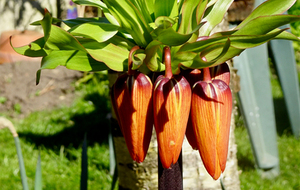
Above: Seeds ready labelled. Below: Fritillary flowering beautifully this year, despite the lily beetle. Photos: Tina Sutton
 Geoff Fisher