

 By Victoria Plum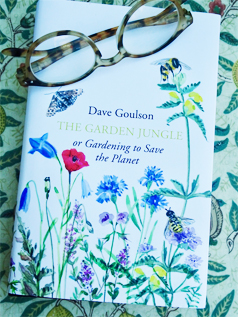
It’s funny how ideas come together.
In preparation for the November Zoom talk of the Reepham & District Gardening Club with Dr Ian Bedford, a well-known research entomologist formerly of the John Innes Centre in Norwich, members were sent out a link to research by Dave Goulson, who founded the Bumblebee Conservation Trust in 2006 and is Professor of Biology at the University of Sussex.
Like Ian, Dave is an academic full of up-to-date information on stuff that concerns us and able to communicate it to us ordinary mortals in a comprehensible but fact-filled way, and backed up by good, reliable, objective scientific research.
The link leads you to Dave Goulson’s fascinating website at the university and to facts concerning the gorgeous flowering plants we buy from garden centres.
We, the customer, are lured into taking home pretty plants, often Royal Horticultural Society (RHS) endorsed, with the sweet and comical bee-image label giving us the clear (and lucrative) idea that this plant will entice and sustain bees in our garden.
What the label does not tell us is that the plant has been drenched in systemic pesticides to ensure it looks its best in the garden centre. And guess what: these chemicals will kill your bees.
Some people have even withdrawn their RHS membership in response to the organisation’s lack of response to this problem.
We can all, of course, address this by asking whether the absence of insecticide chemicals can be guaranteed when we go plant shopping.
There was a lot of useful information presented at the meeting, which is what we have come to expect from speakers at the gardening club.
Here is another snippet: wheat, sugar beet and rape seeds are all “dressed” in a covering of a ferocious chemical to ensure the welfare and successful growth of that seed.
Only some 20% of the chemical stays active on the seed, so what happens to the remainder? If I tell you that the Waveney and the Wensum are among the most polluted rivers in the country, can you work it out?
And when you buy those bug sprays at the garden centre and you’ve checked that the chemical will kill red spider or aphids or whatever, your problem is that the manufacturers have forgotten to mention that the bug killer is just that and will kill all your good insects, too – in fact, just about everything that crawls, scuttles or flies. How depressing is that?
Only the day before the gardening club meeting I was reading Dave Goulson’s book, The Garden Jungle: Or Gardening to Save the Planet, and his research on garden centre plants and the insidious nature of pet flea treatments – I could go on, but you really need to read the book.
The intricate and diverse nature of all the small creatures that inhabit our gardens (apart from the one up the road that has been tidied, concreted, paved and gravelled over) is endlessly fascinating and astonishing.
Butterfly Conservation has useful information on what to plant to encourage butterflies, bees and all the things we want in our gardens.
Photo: Tina Sutton
 Geoff Fisher