

 By Victoria Plum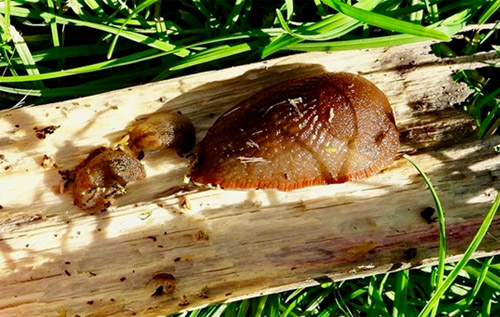
By Victoria Plum
Hooray! Reepham & District Gardening Club held its first “live” meeting this month when about 30 masked members met at Reepham Town Hall, suitably spaced out.
We listened to Simon Harrap from Natural Surroundings at Bayfield (who is fascinated by all plants, he told me) describe the life and habitat of British alpine plants.
He explained this small but fascinating world using his own photographs, so fortunately we don’t have to climb mountains and get wet knees searching the high places ourselves.
One of these, a tiny rush, was viviparous. I have always been fascinated by plants with this characteristic, and I have an unusual fern and a succulent, both viviparous, which means they reproduce via tiny plantlets attached to the parent plant. These fall to the ground to grow without the necessity for seeds.
While tidying the garden (not too tidy, please note) I picked up a dead stem from my gorgeous orange fritillarias and, finding it heavy, I looked inside to find a handsome, big, orange slug, with two little friends, and some woodlice and earwigs that had wandered off in the time it took me to get my camera. Obviously, I put it back in the garden.
Most slugs eat decaying matter of all sorts, helping to recycle litter on the soil surface. They are your friends, as are wasps, so please think twice before you go into extermination mode.
I have enjoyed wonderfully statuesque globe artichokes in my garden this year. Everything has grown tall and vast, and these are no exception. The stems are huge.
When I cut them down, I will bundle up short sections of stem to position in the garden to give homes for wildlife. It will be interesting to see what chooses to overwinter in them.
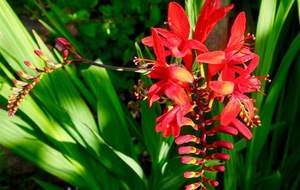
Don’t discard any spare plants you find this autumn. Bring them in a carrier bag to next month’s garden club meeting where they will be sold. Labels and details are a help. I will bring some Crocosmia “Lucifer” (below), which have performed magnificently this year.
Photos: Tina Sutton
 Geoff Fisher